In 2022, the United States transitioned to 988 as the new three-digit suicide and crisis lifeline. Without federal funding for implementation, states assumed responsibility for building crisis infrastructure. Ohio appropriated $25 million in FY 2025 to support the Lifeline and has since invested significantly in developing a comprehensive crisis care system.
The Crisis Care Framework
National Standards (SAMHSA)
- Someone to Contact: 988 Lifeline and behavioral health crisis lines
- Someone to Respond: Mobile crisis teams and outreach services
- A Safe Place to Go: Crisis stabilization and emergency services
Ohio's Four Pillars
- Connect: Linking people to services through 988 and crisis lines
- Respond: Mobile Response Stabilization Services (MRSS) and BH urgent care
- Stabilize: Crisis centers providing short-term treatment
- Thrive: Long-term support and recovery services
Current state of crisis care in Ohio
Progress Made
- 988 Lifeline operational across all 88 counties with 19 providers
- MRSS expanded statewide to serve all youth under 21
- BH urgent care available in 29 of 88 counties (as of 2024)
- Multiple counties opened 24/7 crisis stabilization centers using ARPA funds
- OhioRISE enrollment grew from 5,500 to nearly 50,000 youth
Populations at Risk
- 14.3 million adults had serious thoughts of suicide in 2024
- 48.4 million Americans aged 12+ had substance use disorders in 2024
- Medicaid covers 35% of nonelderly adults with mental illness
- Over 85% of Ohio designated as Mental Health Professional Shortage Areas
Key policy recommendations
1. Address Stigma
- Structural: Require ADAMH board block grant recipients to demonstrate anti-stigma programming; promote insurance parity for crisis services
- Public: Expand multilingual awareness campaigns; clarify when to call 911 vs. 988
- Self: Integrate mental health education in schools and communities
2. Strengthen the Behavioral Health Workforce
- Expand programs like the Great Minds Fellowship for recruitment and retention
- Develop career pathways with apprenticeships and training programs
- Improve compensation through insurance parity to provide competitive salaries
- Address 353% increase in treatment demand (2013-2019) with only 174% workforce growth
3. Improve Payor Models
- Establish sustainable 988 funding through telecommunications fees (similar to 911)
- Address Medicaid coverage gaps as commercial insurance provides limited crisis service coverage
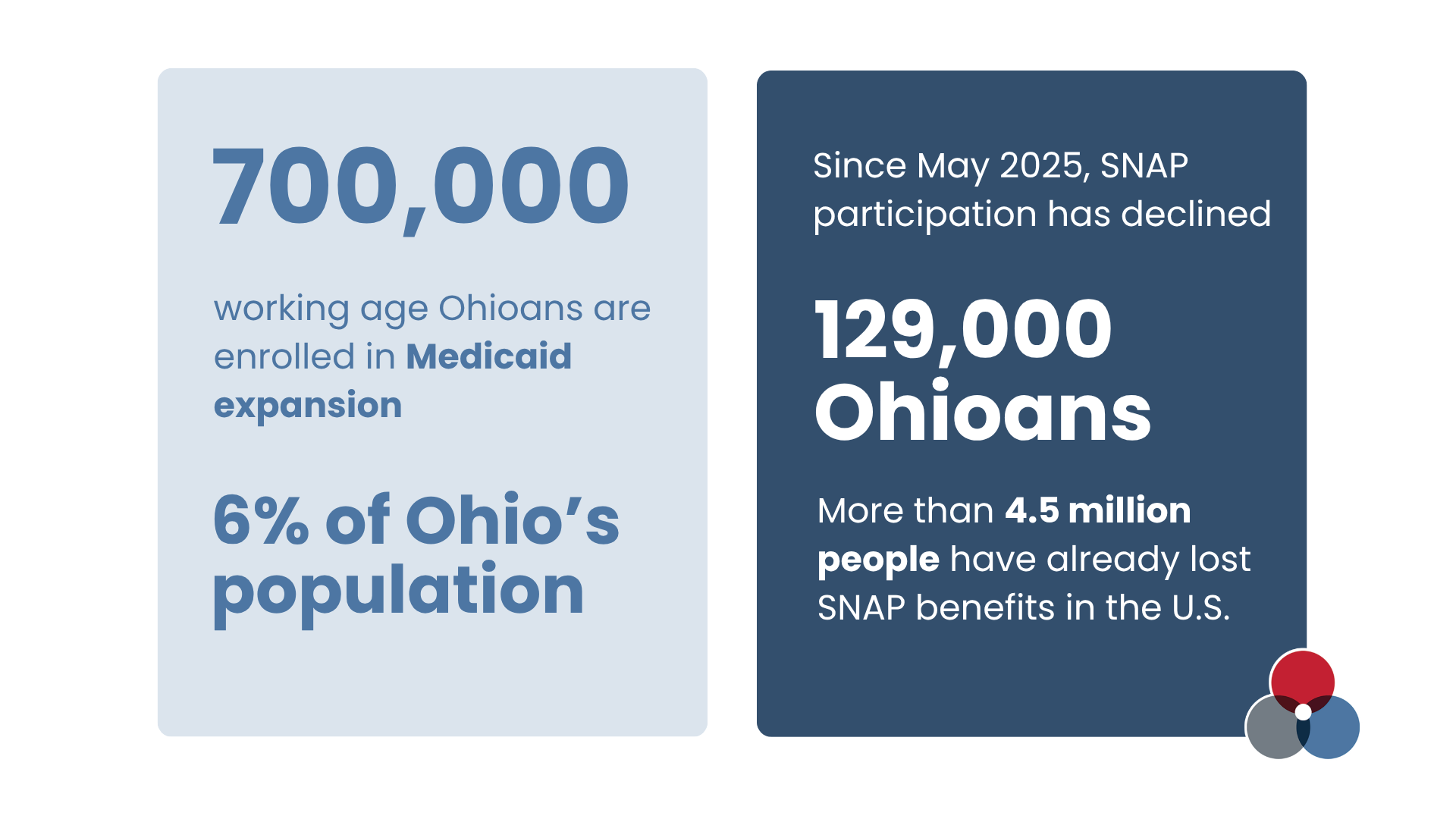
- Monitor impacts of federal policy changes, including HR 1 and work requirements that could affect 337,000 Ohioans
Conclusion
Ohio has made substantial progress building crisis infrastructure through strategic investments and partnerships. However, challenges remain in workforce capacity, sustainable funding, and reducing stigma. Continued collaboration among advocates, providers, and policymakers is essential to ensure all Ohioans can access quality behavioral health crisis services.