Interested Party Testimony on Substitute House Bill 795
Ohio House Medicaid Committee
June 9, 2026
Good afternoon, Chairwoman Gross, Vice Chair Barhorst, Ranking Member Baker and members of the Ohio House Medicaid Committee. My name is Tara Britton, and I am the Director of Public Policy at The Center for Community Solutions, a nonpartisan research center focused on improving health, social and economic conditions. We have come before this committee several times and worked with many of you to ensure Ohio’s Medicaid program promotes healthy outcomes and allows those who are eligible to receive quality services. These shared goals for how Medicaid should operate push us all to strive for a stronger system and improved health and wellbeing of all those that touch the Medicaid system.
Introduction
We recognize the concern over allegations of fraud in the Medicaid system has prompted the provisions included in Substitute House Bill 795, but we implore the committee to learn more thoroughly about the realities on the ground and prioritize the ethos of “first, do not harm.” Any suspected fraud, which is a crime, should absolutely be investigated, and if substantiated, prosecuted, as the Attorney General’s Medicaid Fraud Control Unit focuses on every day. This should not, however, come at any cost or loss of access to Ohioans receiving home and community-based services, as those patients have been deemed to need an institutional level of care. The increase in home care in Medicaid is the result of deliberate policy choices over the past several decades, supported by Republicans and Democrats alike, that gave older Ohioans, people with disabilities, and anyone needing a higher level of care the option of living in the community or in an institutional setting like a nursing home. The state captured substantial cost savings along the way. A study published in the Journal of the American Geriatrics Society in 2023 found that every dollar directed to HCBS was offset by $0.26 savings from decreased nursing care.
Home and community-based services
If not for home and community-based services, we as a state and society would not have been able to move away from institutionalization of anyone who needs a higher level of care, which is expensive and not what most Ohioans want. This was a pivotal shift, continually receiving bipartisan support, that people should have the autonomy to live and age in the place of their choice.
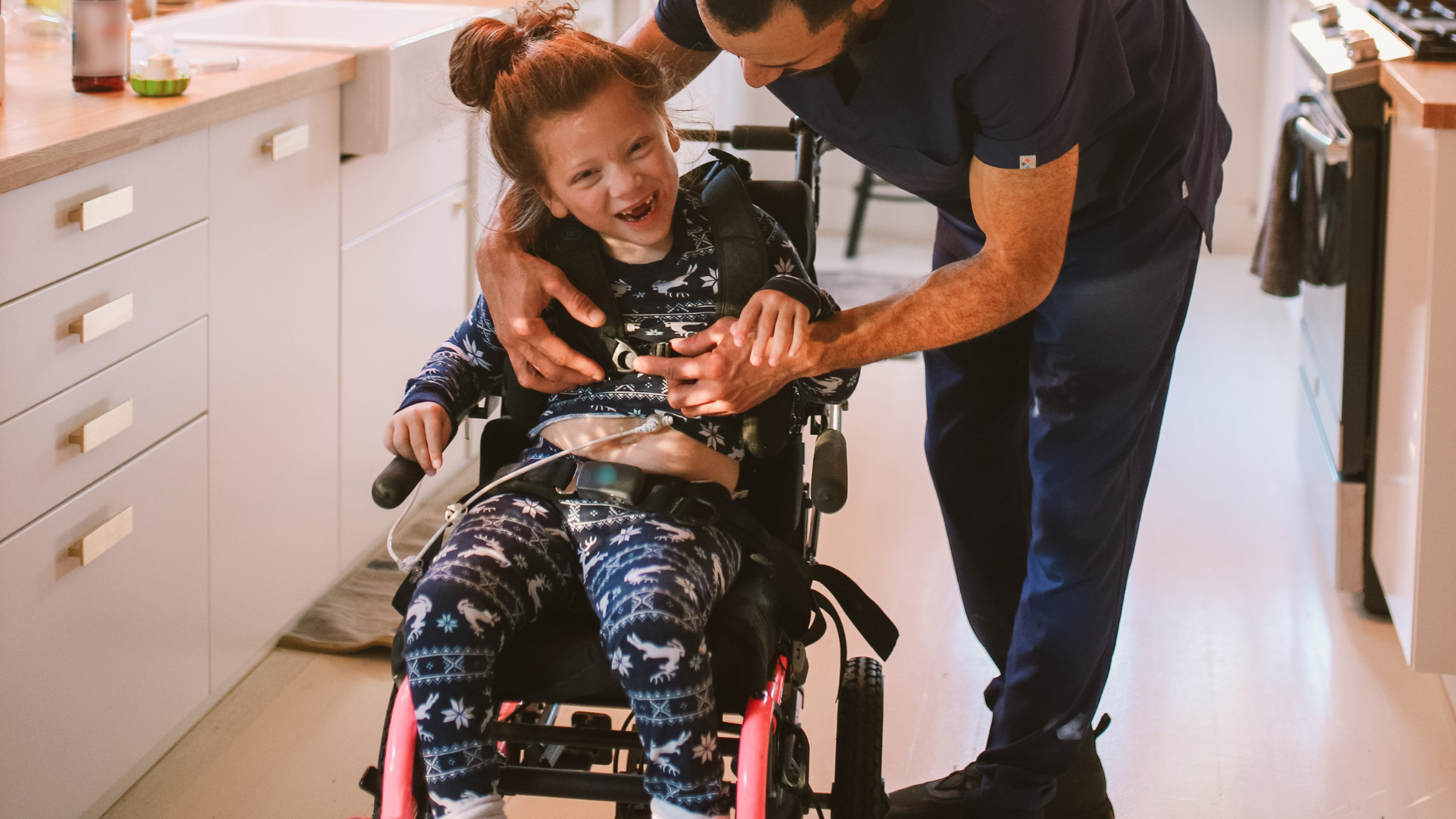
Ohio’s robust home and community-based services serve over 120,000 older adults and people across the age spectrum living with disabilities. These individuals have been assessed through a process laid out in Ohio Revised and Administrative Code which includes meeting financial requirements and a specific level of care need. The services that HCBS enrollees receive in their home are outlined and routinely reviewed through their individual care plans and include both traditional medical services and personal care and community integration services. We would expect that anyone in a nursing facility is not simply laying in a bed all day, we expect a well-rounded provision of services to keep people healthy and engaged. We should expect no less of HCBS. Abiding by the care plan is foundational to HCBS waiver programs and it is the entire package of services that help maintain health and safety outside of institutions.
It is critical to understand the realities on the ground. Enrollment across Medicaid HCBS programs spans across ages and while 41 percent of enrollees are 65 and over, over a quarter are ages 45 to 64 and another quarter are ages 21 to 44, with the remaining enrollees ranging from age 1 to 20. These programs connect people of all ages with services in their communities. HCBS are also significantly less expensive than institutional settings, to the tune of $12,000 less spent each year per patient. While this information has been shared by others who have come before this committee, it is imperative that policymakers understand the full picture of HCBS and not only examine allegations of fraud related to services.
Family caregivers
Family caregiving has its roots in the Medicaid Home and Community-Based Services waiver authority created in 1981 during the Reagan administration. Following the Supreme Court’s decision in 1999, the expansion of self-directed care and paid family caregiver models accelerated in Ohio during the Taft administration in the early 2000s and expanded again during COVID.
Most family caregivers are not looking for a paycheck and most are unpaid. They are providing difficult, sometimes around-the-clock care for loved ones, often at significant personal and financial sacrifice. Many leave the workforce or reduce their hours to care for a loved one. Medicaid support can help families hold things together during incredibly difficult circumstances.
According to the Kaiser Family Foundation, the national trend has generally been toward expanding, regulating, and monitoring paid family caregiving rather than eliminating it. According to KFF's 2025 survey, all responding states allow payment to family caregivers under at least some Medicaid home care programs
Before Ohio prohibits Medicaid payment for family-provided personal care services, we believe policymakers should answer several important questions. How many waiver participants currently rely on paid family caregivers? Does an adequate replacement workforce exist in every part of the state; particularly in rural Ohio? Who will be responsible for arranging alternative care? What transition period will be provided to affected families? And what analysis has been conducted regarding the potential impact on nursing facility utilization, hospitalizations, and overall Medicaid spending?
Supporting responsible family caregiving can strengthen families, reduce institutional dependence, and help address serious workforce shortages in long-term care. In many instances, there is simply no other care available.
SNAP eligibility
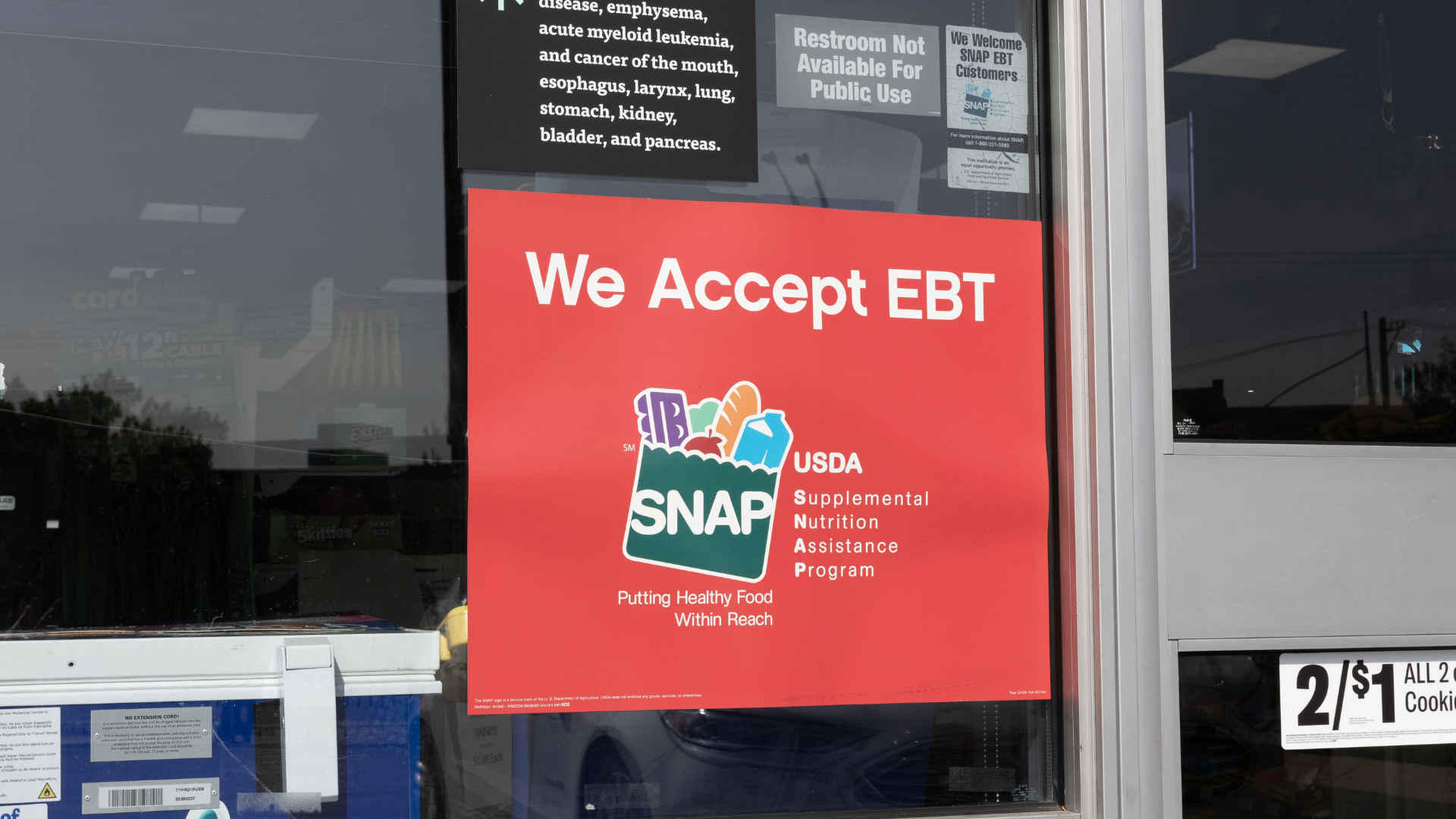
This bill purports to address waste, fraud and abuse in the Medicaid program, which is why it was unexpected to see the elimination of broad-based categorical eligibility (BBCE) in the Supplemental Nutrition Assistance Program (SNAP) proposed. We strongly oppose the inclusion of this provision. While we see room to discuss Medicaid related changes that can both improve program integrity and improve services for enrollees, removing the option for BBCE flies in the face of making programs work better for government and for people. BBCE is a policy that was implemented only recently and is intended to ease the benefits cliff, which we all acknowledge is a significant challenge for people working their way out of poverty. We implore the committee to leave any unrelated policy decisions out of HB 795, especially those that do no harm.
Conclusion
Ensuring that Ohio’s Medicaid program is safe, secure and available to those who are eligible is a worthy goal. But first, do no harm. Ensure that individuals in need have access to the services that keep them safe and healthy in their communities. Ensure that any suspected fraud is resolved through evidence-based investigations. Ensure that we’re working to create a more efficient, effective system with any reforms, not one bogged down in additional red tape without identifying what we’re really trying to solve for. We thank you for the time you’ve invested in this work and ask that you spend more time before making any decisions that act more as a band-aid than an effective long-term fix.