Many people across the U.S. recently celebrated Mother’s Day to acknowledge the tireless efforts mothers contribute to their families. Even though recognizing the daily tasks of mothers is important, we should ensure that they are able to be healthy. A few weeks ago, we discussed the latest data on pregnancy-related deaths in Ohio. Now let’s take a look at efforts across the state that are addressing this public health crisis.
Medicaid coverage of doula services is critical to build increased access to these services.
Annual Black Maternal Health Summit and other legislative efforts
At the state level, stakeholders, including legislators, have been addressing the maternal health crisis. One of the more recent changes is that Medicaid can now reimburse for doula services. Medicaid coverage of doula services is critical to build increased access to these services.
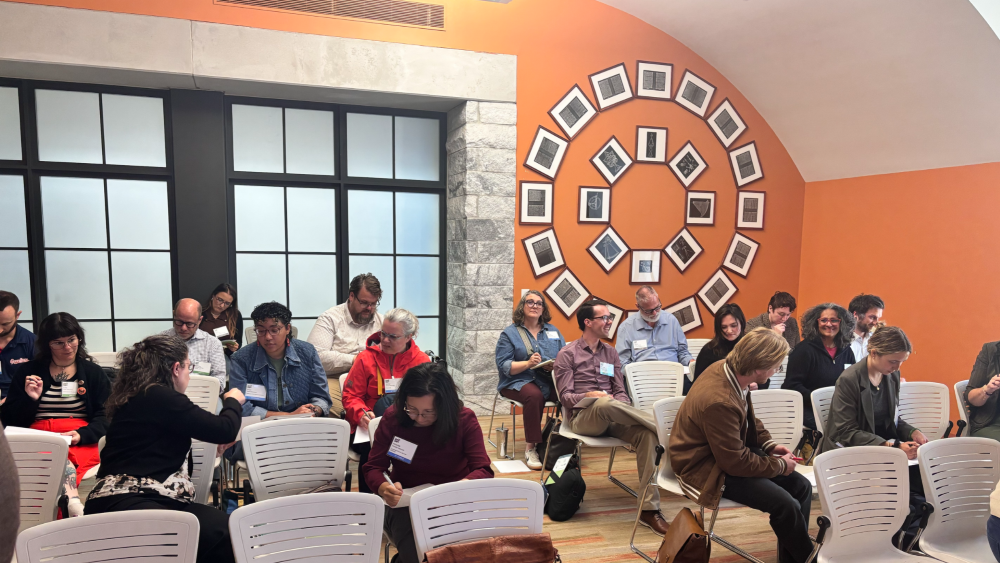
The Ohio Black Maternal Health Caucus within the Ohio General Assembly is led by Senators Catherine Ingram (D-10) and Paula Hicks-Hudson (D-11). The goal of the caucus is “to establish Black maternal health as a statewide priority.” The caucus hosts monthly meetings where professionals talk about the various issues impacting Black birthing people. Some of their previously recorded meetings can be viewed on the Ohio Senate Democratic Caucus’s YouTube channel. Recently, they hosted the second Annual Black Maternal Health Summit at the Ohio Statehouse. Advocates across the state joined this event and listened to various panel discussions about Black maternal health:
- How state agencies (Ohio Department of Youth, Ohio Department of Medicaid, and Ohio Board of Nursing) are helping mothers.
- Providers’ efforts in addressing Black maternal health. Tonae Bolton from Birthing Beautiful Communities explained how their doulas are managing social drivers of health for their clients (e.g., providing Uber rides to clients who lack transportation).
- Programs that support fathers. The Urban Family Development Center has a Dads2B program where they offer weekly educational sessions to expectant fathers about infant health and maternal, positive family structure.
Former State Representative Janine Boyd, founder of the Black Maternal Health Caucus was the keynote speaker. Groundwork Ohio and bi3 also presented data from the March of Dimes. Overall, the summit highlighted a wealth of information that promotes equity for Black birthing people.
There are some pieces of legislation in the Ohio Senate and House of Representatives. House Concurrent Resolution 12 (HCR 12), sponsored by Representatives Anita Somani (D-8) and Sharon Ray (R-66), acknowledges the importance of perinatal mental health in Ohio. Senators Casey Wenstein (D-28) and Jane Timken (R-29) introduced Senate Bill (SB) 352, which establishes a referral system for individuals who are screened for mental health conditions during and after pregnancy. Senators Louis Blessing, III (R-8) and Beth Liston (D-16) introduced SB 396, which implements paid family and medical leave insurance benefits for new parents and caregivers.
Community efforts across Ohio
There are many community initiatives across the state that bring awareness about the importance of supporting mothers. The Voinovich School of Leadership and Public Services collaborated with four rural counties (Ashtabula, Fairfield, Sandusky, and Seneca counties) to promote the National Maternal Mental Health Hotline as a resource for mothers to use if they experience depression, anxiety, or feeling overwhelmed.
The Voinovich School initially worked with health professionals in those four counties to conduct a survey about the status of maternal mental health. From there, they created strategies to promote the hotline. For example, soon-to-be-mothers who attended a community baby shower in Ashtabula County received goodie bags with the hotline number printed on them. The Voinovich School also created an ad campaign about the hotline last year in May.
Last month, during Black Maternal Health Week, First Year Cleveland collaborated with New Voices for Reproductive Justice and hosted a webinar called “Voices and Vitality: Advancing Black Maternal Health Policy.” The purpose of the webinar was to inform citizens across northeast Ohio about how policy impacts Black maternal health locally. Several local community leaders acted as panelists, including Gloria Blevins (Black Development Child Development Institute), Jazmin Long (Birthing Beautiful Communities), Veranda Rodgers (Pregnant with Possibilities Resource Center), and Dána Langford (Village of Healing), and I.
Throughout the webinar, they discussed key policies that impact Black mothers/birthing people, the roles and experiences of community-based organizations in policy field, and advise on how to advocate for maternal health policies.
Together, these efforts show that Ohio is building momentum to address the maternal health crisis. Still, lasting progress will require continued investment, collaboration, and policy action.