SNAP is a federal nutrition program that provides a very modest benefit—just $6/day per person—to buy cold groceries. The vast majority of Ohio’s 1.3 million SNAP recipients are children, people with disabilities, and the elderly. A new bill proposed to address Medicaid fraud may SNAP into the unnecessary scrutiny.
Ohio Substitute House Bill (S.H.B.) 795 is a fast-track bill meant to address perceived waste, fraud, and abuse in Ohio’s Medicaid program. The bill authors also included language that would impact Ohio’s Supplemental Nutrition Assistance Program (SNAP) in two significant ways
- by discouraging work and financial independence by working Ohioans with low incomes
- by increasing the likelihood of SNAP payment errors, exposing Ohio to significantly higher costs to operate SNAP in Fiscal Year 2028 and beyond.
Only 14% of SNAP recipients are working-age adults who are subject to very strict work requirements.
SNAP provisions in S.H.B. 795 would significantly impact Ohio’s SNAP program; there are more effective approaches to eliminate fraud in Ohio’s SNAP Program.
What kinds of SNAP fraud exist in Ohio?
SNAP has one of the lowest rates of fraud among federal programs—less than 2% of SNAP spending nationwide is lost to fraud each year. SNAP achieves this success because federal, state, and county authorities all play a role in maintaining program integrity.
Less than 2% of SNAP spending nationwide is lost to fraud each year.
The limited fraud that does exist in SNAP can be broken down into three different types.
- Benefits theft: skimming
- Retailer fraud: trafficking
- Participant fraud: intentional program violations
Skimming
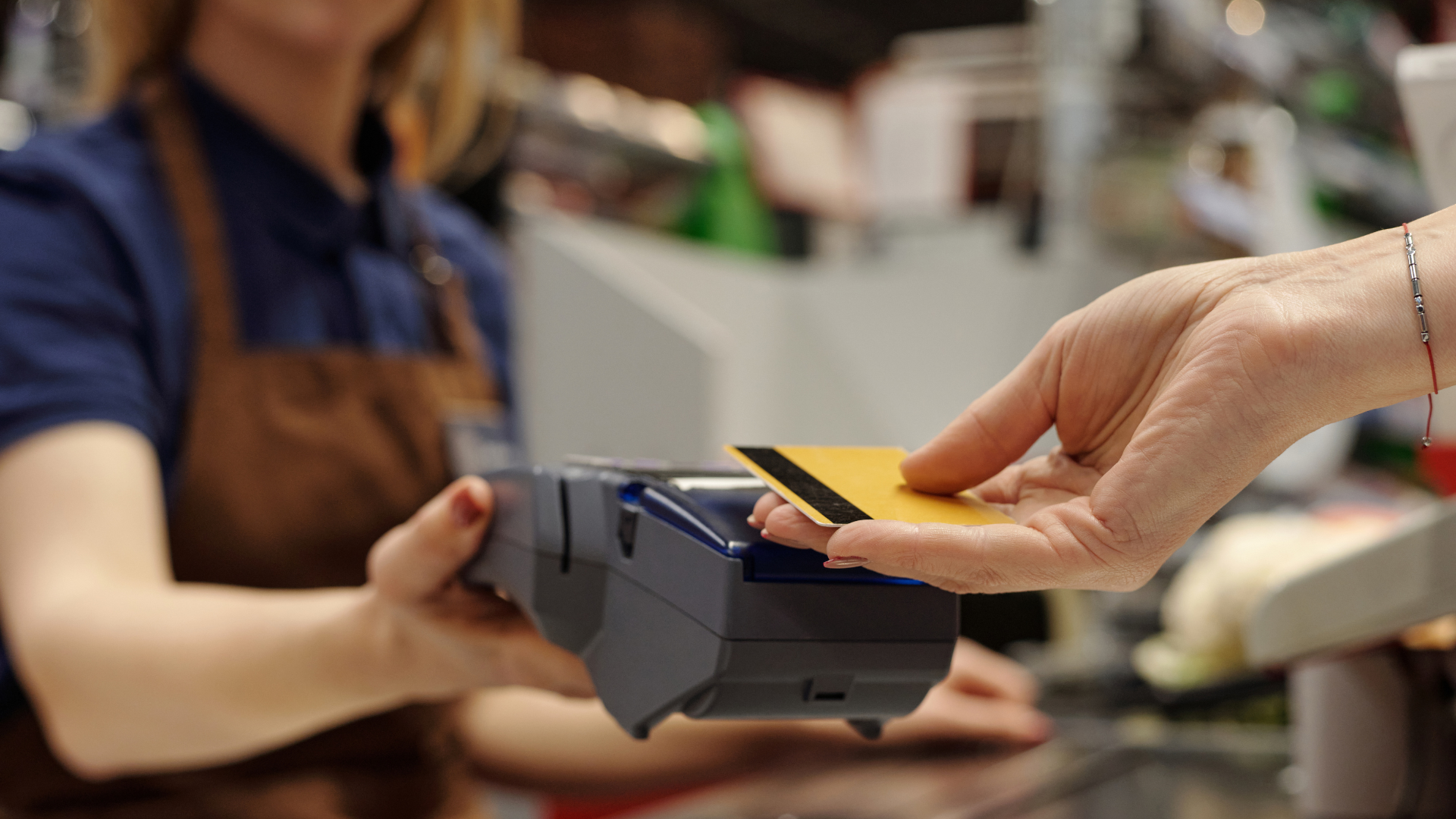
Skimming is the category of fraud that Ohio lawmakers can most directly address. Benefits theft, called “skimming” accounts for 11% of SNAP fraud nationwide. SNAP recipients are the victims of this crime and are not reimbursed when their food benefits are stolen, through no fault of their own.
The best opportunity for Ohio lawmakers to combat fraud is to secure Ohio’s EBT cards.
Ohio Senate Bill 315 (already passed the Senate) and House Bill 163 (on the House floor on 6/3) would transition Ohio’s EBT cards to chip/tap technology to prevent skimming and other forms of benefits theft.
Retailer fraud
The most common type of fraud (84%) is retailer fraud—defined as when a retailer illegally exchanges SNAP benefits for cash, sells unallowable items, or lies on their application to become an authorized SNAP retailer. The USDA (not individual states) has sole authority to shut down retailers defrauding the program, and it does so aggressively.
Intentional program violations
The smallest percentage of SNAP fraud (just 5%) comes from participants who lie or withhold information when applying for SNAP. Participant fraud (also called “intentional program violations) represents just 0.1% of annual SNAP spending. Counties are primarily responsible for identifying and pursuing these cases, and they do so aggressively. For example, in Federal Fiscal Year 2023, Ohio referred 612 cases of eligibility fraud to administrative disqualification hearings and/or criminal prosecutions.
How does Ohio ensure SNAP applicants are eligible for the program?
To qualify for SNAP benefits, Ohioans endure a rigorous and time-consuming process that includes:
- Filling out a lengthy application that asks for detailed information about every member of the household—relationships, employment status and earnings, shelter expenses, like rent and utility bills, as well as childcare and medical expenses.
- Submitting verification for every detail of eligibility—social security cards, paystubs, utility and child care bills, and medical expense receipts (see full verification checklist here.)
- Completing a live interview with a county caseworker who reviews all of this information and can ask for additional information if they find anything to be “questionable.” The responsibility to complete this interview within 30 days is entirely on the applicant, even when wait times to reach a caseworker are hours long, every day of the week (as they are right now in most counties).
Ohioans go through all of this for a mere $6 per day to buy groceries. For most people, SNAP is a last resort to keep their families from going hungry.
How would HB 795 impact SNAP?
Reimposing the benefits cliff on working families
S.H.B. 795 would strip Ohio’s SNAP program of an important state option known as “Broad-Based Categorical Eligibility” or “BBCE.” This term is a misnomer, however, as it does not confer SNAP eligibility on anyone.
Every SNAP applicant still must go through the rigorous application and verification process detailed above.
What BBCE does is allow states to encourage work and reduce the “benefits cliff” for working families. In October 2024, Ohio leveraged BBCE, under the leadership of former Lt. Governor and now Senator Husted and with stakeholders from across the political spectrum, to increase the gross income limit for SNAP from 130% to 200% of the federal poverty line.
This policy change allowed SNAP benefits for working Ohioans to be reduced more gradually as their wages rose. This policy change did not increase the number of Ohioans receiving SNAP—the caseload actually shrank by 4%—but it did help many working people accept a raise or take a better-paying job without fear of immediately losing their SNAP benefits. Counties are also benefiting from reduced SNAP application “churn,” with 19% fewer SNAP applications submitted in February 2026 than in September 2024 (the month before this policy went into effect).
Forcing working Ohioans to sell their cars before getting food assistance undermines their ability to work and extends the amount of time they receive SNAP benefits.
The other critical BBCE flexibility that Ohio exercises to encourage work is waiving the SNAP asset test. Decades of research show that SNAP applicants rarely have any liquid assets. For example, the average bank account for a SNAP applicant contains just $150.
By the time families apply for SNAP, they have exhausted all other options to pay for groceries.
Despite robust research, including from USDA, demonstrating that checking the assets of every SNAP applicant is not a cost-effective way for states to operate the SNAP program, an anti-government think tank based in Florida recently published an inflammatory report claiming that SNAP recipients are driving luxury cars while getting SNAP benefits. The claims in this report cannot be verified because the authors only cite “de-identified data from an anonymous state provided by a leading program integrity consultant from 2023.”
Since these accusations (a) are not from Ohio and (b) cannot be verified, we have no reason to believe SNAP recipients in Ohio are driving luxury cars. Even so, we encourage Ohio policymakers to think critically about the premise of requiring working Ohioans to sell their cars before they can qualify for a modest food benefit to help them weather hard times.
If Ohio loses BBCE as an option, Ohio would be required to impose the federal asset limit of $3,000, which includes any car with a Fair Market Value above $4,650 (regardless of how much you may still owe on the vehicle). In 2026, it would be extremely challenging to find a reliable vehicle for less than $4,650. Furthermore, evidence from other states who impose this limit find that strict asset tests push people deeper into poverty and more reliant on government benefits, like SNAP.
It’s the epitome of cutting off your nose to spite your face.
Increasing Ohio’s payment error rate, requiring hundreds of millions in new SNAP spending
In addition to disincentivizing work and increasing dependency of public assistance programs, eliminating BBCE in Ohio will increase SNAP’s “payment error rate”—the rate that will soon determine what percentage of SNAP benefits Ohio must cover with General Revenue Funds (GRF). According to the USDA, errors in SNAP asset test calculations account for a significant percentage of payment errors in states that impose this requirement, thereby inflating their overall payment error rate. For example, Mississippi, Kansas and Arkansas—all of which impose the federal asset test—18% of payment errors in Fiscal Year 2023 were due to mistakes related to the federal asset test.
Ohio has always worked hard to keep the state’s SNAP payment error rate low, and state/county officials have intensified these efforts over the past year after the passage of HR1. Preventing Ohio from exercising BBCE now would undermine recent progress and expose Ohio as much as $470 million in new annual SNAP spending (if Ohio’s payment error rate reaches 10% or more in any single year).
Modernizing Ohio’s EBT cards is the most effective way to combat SNAP fraud
As I wrote back in 2021, Ohio does an excellent job preventing fraud in SNAP. The biggest threat to program integrity that has emerged in recent years is EBT theft (or skimming) resulting in at least $17 million being stolen from Ohioans between June 2023 and December 2024.
Ohio does an excellent job preventing fraud in SNAP.
Modernizing Ohio’s EBT cards by enacting SB 315/HB 163 is the fastest and most effective way for lawmakers to combat SNAP fraud in Ohio.