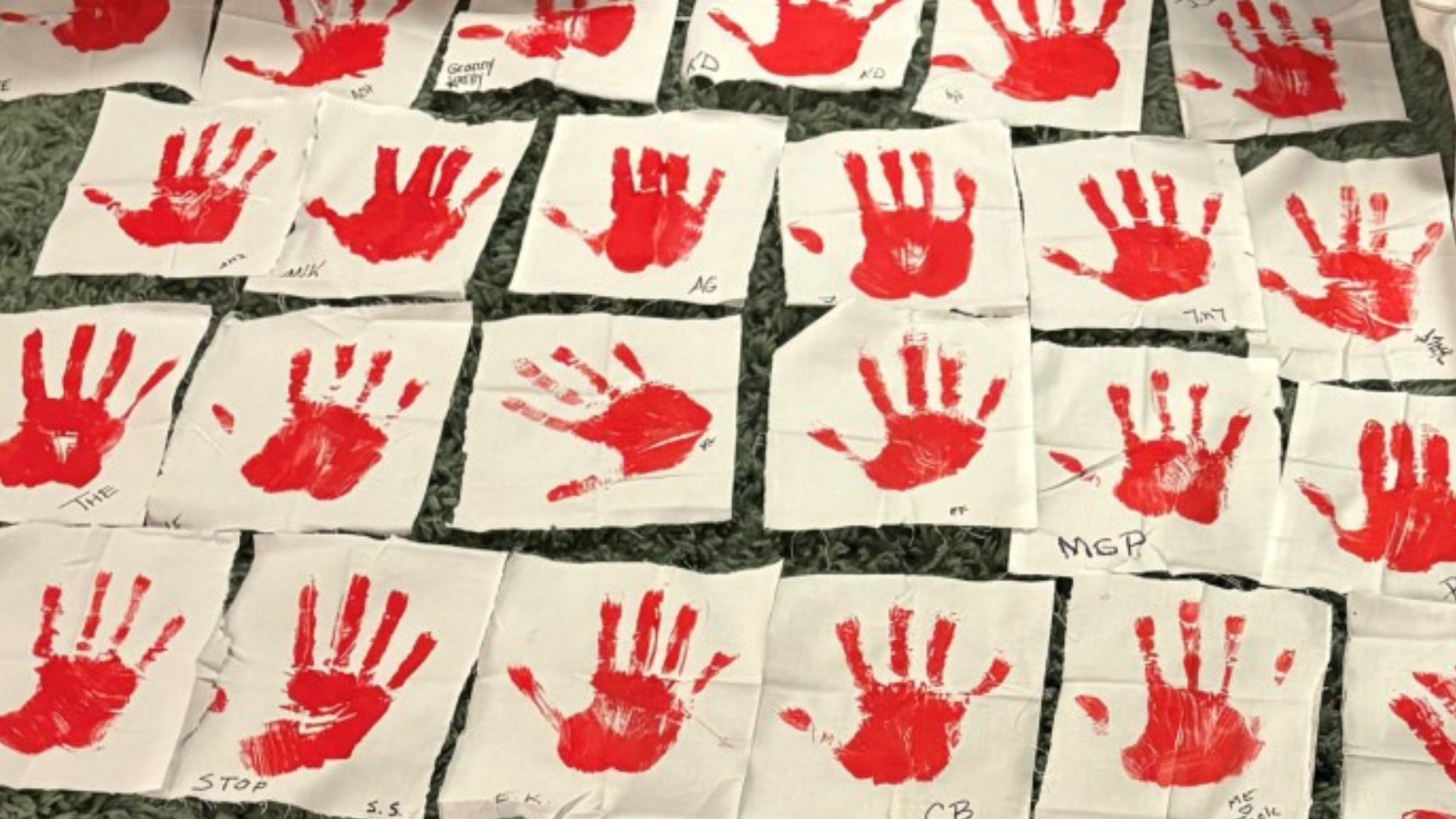
Hundreds of local people have gathered this week to honor people who are living with HIV and to remember the epidemic. Thousands of people are living with HIV in Cuyahoga County; and over 25,000 across Ohio. Everyone deserves our respect and kindness.
Many people in our community don’t realize that HIV/AIDS is a continuing epidemic, and that it affects us right here in our county and across the state of Ohio.
We can fight HIV, but only if we recognize that it’s still a thing
World AIDS Day—on December 1, since 1988—has been a day when the U.S. government recognizes the epidemic in the United States and the pandemic around the world. The federal government didn’t acknowledge it this year. The Greater Cleveland community continues to celebrate.
World AIDS Day, even without national recognition, means celebrating our heroes who are living with HIV, remembering loved ones who’ve passed, gathering together for storytelling, concerts and vigils, loving each other, teaching the next generations to be kind and care for one another, and sharing about the amazing HIV prevention medications and treatments that literally save lives every day.
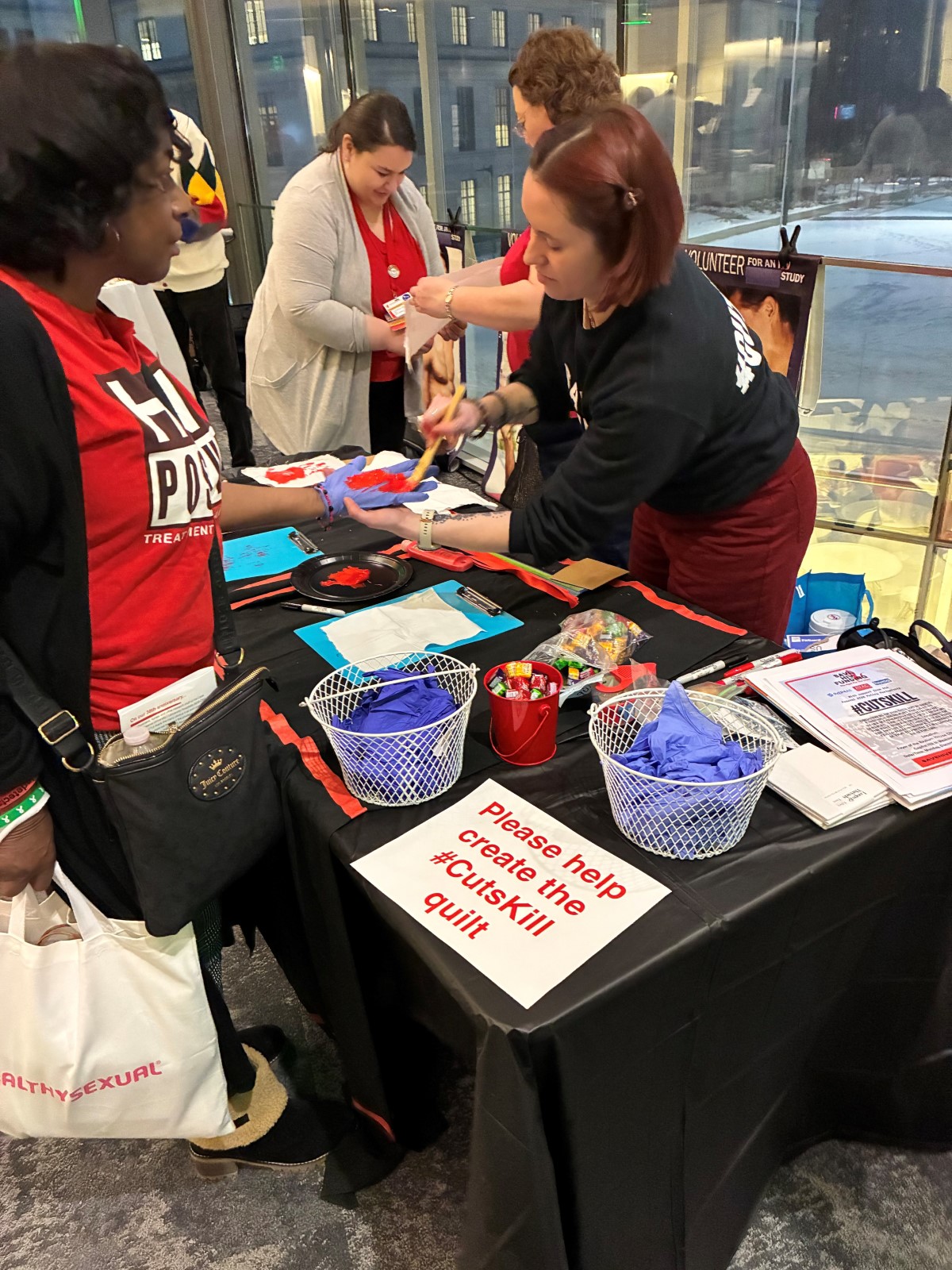
Does World AIDS Day matter anymore?
People living with HIV are our neighbors, friends, and loved ones, and honoring them shows compassion and recognition. But the policy implications of the federal government ignoring the epidemic telegraphs funding cuts for healthcare support.
The Affordable Care Act (ACA) and Medicaid Expansion have served as crucial healthcare lifelines for low-income adults, including people who are living with HIV/AIDS. Now, changes coming to the ACA and Medicaid will impact people’s access to affordable, accessible healthcare.
In our state, the Ohio HIV/AIDS Drug Assistance Program (OHDAP) is a key part of the federal Ryan White HIV/AIDS Program, providing access to life-saving medications to low income, under- and uninsured people with HIV. This safety net program can provide support by paying for health insurance premiums, covering copayments, or buying FDA-approved medications. However, as federal changes in healthcare roll out, OHDAP may be forced to scale back coverage and services, which puts the lives of people living with HIV at risk. That is truly scary.
Health insurance—including through the ACA and Medicaid—is how people access and pay for the incredibly effective HIV prevention medications called PrEP (pre-exposure prophylaxis). Achieving viral suppression or being “undetectable” means that a person with HIV cannot pass the virus on to their sexual partners. Reductions in treatment and care undermines undetectability and will lead to more HIV outbreaks in our community.
These are the tools that can help end the HIV epidemic. We have fought hard for over 40 years for these tools; let’s not lose them.
Funding threats could interrupt HIV treatment and prevention efforts in our community.

On World AIDS Day, we honor the communities, advocates, and people living with HIV who keep progressing despite the challenges. Their resilience drives effective prevention, testing, treatment, and care.
Let’s keep working together to protect our hard-earned gains. We’re not done yet.
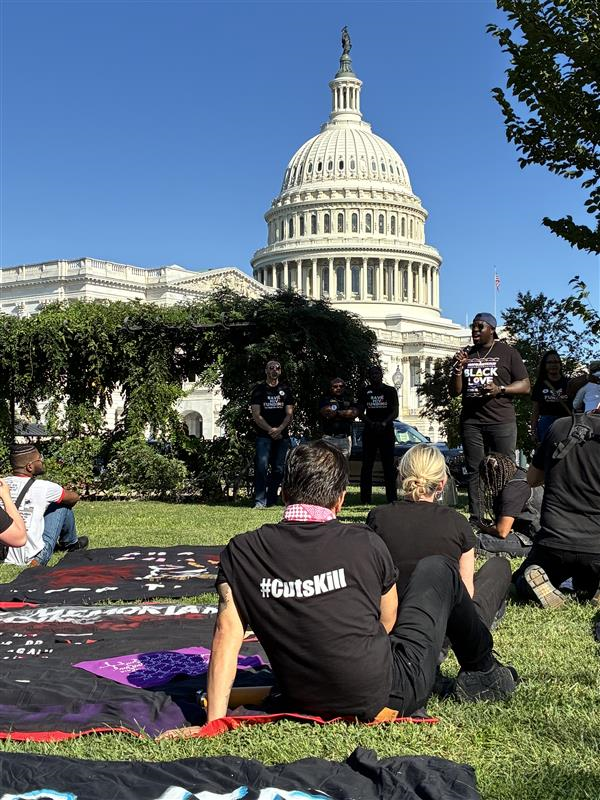
#CutsKill
My t-shirt collection dates to the 1990’s. Wrap that rascal. Silence = Death. ACT UP Cleveland. This year, I have a new t-shirt: Save HIV Funding.