Chairman Hackett, Vice Chairman Burke, Ranking Member Sykes, members of the Senate Finance Committee, I am Gayle Channing-Tenenbaum. I have been an advocate for children, youth and families for more than 52 years. I began as a caseworker in child welfare, worked for the Public Children Services Association of Ohio for 35 years, and now work for The Center for Community Solutions on behavioral health issues for children, youth and families.
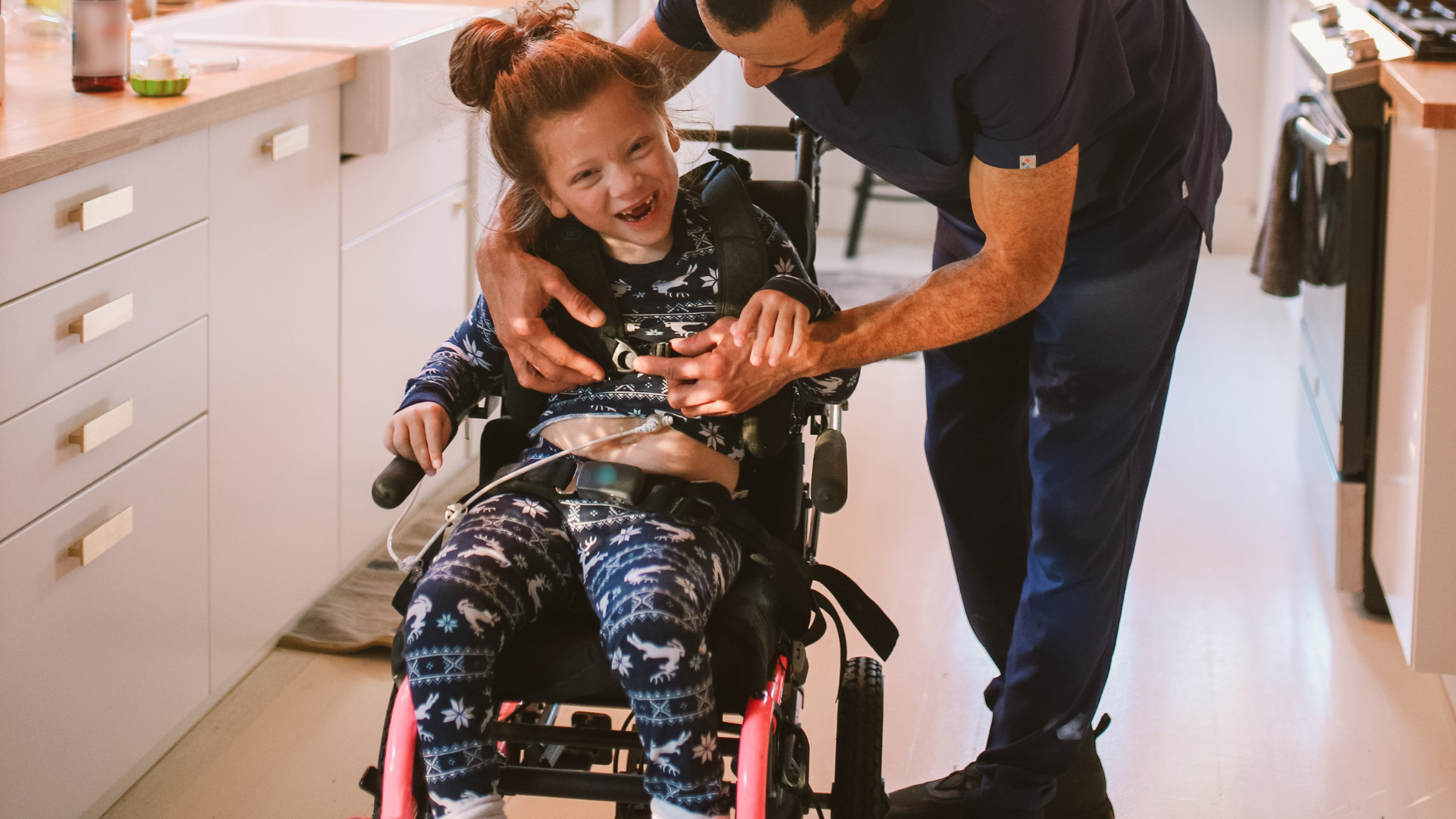
I am very honored to be here with a panel of parents and youth who know firsthand the devastation of a practice we call custody relinquishment. Some forms of custody relinquishment occur when families, even loving, caring and engaged families, have to relinquish custody of their child to the state in order to get them the services they need. These people are here to share their own personal stories with you, and to support funding for a crisis intervention fund for multi-system youth, in order to prevent some children or youth from being removed from their families and to prevent this process of custody relinquishment in the State of Ohio. Each of your counties have families with their own stories about custody relinquishment like those you will hear today
Concern about multi-system youth accelerated dramatically a few years ago, specifically a sub-set of caring and engaged families who were giving up custody of their children as the only way to get them needed services. State systems serving Ohio children and families became increasingly concerned about the number of parents relinquishing custody of their children to child protective services in order to secure services and supports they were unable to access any other way. Many of these are earnest, committed and supportive families who were doing their best to care for their child but were unable to afford or access the services their children needed and, as a last resort, relinquished custody to the state.
Parents, advocates, policy makers and practitioners joined together to explore possible solutions to this. What resulted was a set of recommendations developed by the Joint Legislative Committee on Multi-System Youth under the leadership of then Senator Randy Gardner and then Representative Sarah LaTourette. Two members of this committee were members of the Joint Committee, Senators Lehner and Thomas.
The official recommendations defined multisystem youth as those involved in two or more of our state’s systems: child protective services, juvenile justice, behavioral health and developmental disabilities. In addition, many of these youth have experienced significant levels of trauma. The committee recommendations focus on youth whose challenges rise to such a high level that no single system can adequately address their physical, emotional, behavioral and developmental concerns. In these circumstances a highly coordinated, multi-system treatment plan is needed to avert custody relinquishment or unnecessary out of home placement including out-of-state placements. These plans include mobile crisis response, intensive home-based and community-based treatments, respite and stabilization, among others.
Ohio is not alone in addressing the challenge. Recent studies note that:
- At least 13 percent of young people ages 8 to 15 have a diagnosable mental health condition that causes severe impairment in their day-to-day lives. That percentage increases to 21 percent for ages 13 to 18
- Nearly 85 percent of all screened young people in child protective services screened positive for a diagnosable mental health condition
- 70 percent of young people in the juvenile justice system have a diagnosable mental health disorder
- 30 to 50 percent of children and adolescents with intellectual disabilities (ID) have co-occurring mental health disorders or challenging behavior. Very high rates of co-occurring emotional disorders are also found among children with developmental disorders such as autism spectrum disorders (41 to 70 percent), cerebral palsy and epilepsy, including those who have normal intellectual levels
The committee report recommended specific actions for the state that, if implemented, would reduce this custody relinquishment and unnecessary out of home placements. These recommendations are summarized here:
Committee Recommendations
- Improve data collection and data sharing about multi-system youth to inform state and local decision-making
- Ensure youth and families have access to peer support and peer mentor programs with a consistent funding source
- Establish a safety net of state level funding for multi-system youth
- Ensure youth with moderate to severe needs have access to a High-Fidelity Wraparound service
- Modernize Family and Children First Councils
- Create a Children’s Congregate Care Study Committee It is important to note that youth and families with such complex care require a care coordination process which assures that the various treatment plans from the involved systems ‘fit’ together. Access to High-Fidelity Wraparound is one of the recommendations by the Joint Committee. This is a high-level coordination and planning process that brings families, systems and service providers to the table, thus reducing the chance of duplicating services or unintentional conflicts in treatment planning. The goal is to craft an overarching multi-system treatment plan that is monitored for effective implementation and quality.
Our dedicated coalition members are here today not only out of a sense of urgency, but also one of hope. We are grateful that the needs of these young people and their families have been recognized by the Ohio General Assembly and the administration. We believe that with the necessary funding and infrastructure, Ohio can end the practice of this type of custody relinquishment and unnecessary out-of-home placements and pave the way for these vulnerable youth and families to stay together, thrive and achieve the best level of health and wellness possible. There are many encouraging signs that indicate our hope is justified, such as:
- The administration’s financial commitment to children, youth and families: prevention, crisis and treatment
- Cabinet-level coordination through the Office of Children’s Initiatives
- Increased, dedicated resources to support Ohio’s seriously stressed child protective services, much due to the opioid crisis
- Dedicated resources for expansion of behavioral health and developmental disabilities prevention, treatment and crisis response capacity
- Continuing education and implementation of trauma-informed care
- Family First Prevention Services Act
- Family and Children First modernization and new leadership
- Flexible funding for a Crisis Intervention Fund dedicated to the MSY Initiative (this is the only recommendation not addressed in the budget as proposed)But we also know that to accomplish our goals, we must have dedicated, flexible funding that provides crisis intervention for multi-system youth, prevents children coming into custody and ends this type of custody relinquishment.
Governor Mike DeWine committed $25 million in each year of the 2020-2021 biennium to be used specifically to support multi-system youth needing services and treatment. Additionally, the House, directly from Speaker Larry Householder’s experiences in his district, added another much needed $30 million for the care and treatment of children in custody. We fully support both increases. But we need to recognize that the $25 million increase is needed to serve children already in custody for abuse or neglect. It does not even cover the increase in need PCSAs saw the past biennium. In fact, even with the $25 million increase, there is still a substantial gap. In the last biennium this cost was a full $54 million increase over the previous biennium amount of $330 million. Equally important is the $30 million to address both the increase in children in custody, the severity of the trauma they have experienced and the resulting increase in the length of stay in custody.
It is for this reason that we further recommend that a separate crisis intervention fund of new flexible funding in the amount of $6 million in 2020 and $12 million in 2021, be placed in the Family and Children First line item in the OMHAS budget (GRF 336405) solely for the prevention of voluntary custody relinquishment for multi-system youth. Without this fund, many parents of multi-system youth struggle, taking out loans or second mortgages, needing to sell their cars even when both parents work and need transportation, in short-families are often simply out of financial resources. You will hear from these brave and wonderful families as to why their children or youth required such services and treatment.
The multi-system youth coalition, also strongly supports new language in the budget bill, passed by the House that develops a multi-system youth action plan that includes implementation the other recommendations of the Joint Legislative Committee on Multi-System Youth. We look forward to continuing to work with the administration, members of the Senate and this committee to address the myriad of problems these children, youth and families face to get the services they need.
Thank you for your time. I know you are anxious to hear from our panel. I would be happy to try and answer any questions you might have both now and after they speak. Panel members are listed below in the order they are speaking.