.png)
While the new year can signal a fresh start, it’s easy to feel fatigued by the policy environment as we begin in 2026. Headlines move fast, common ground is scarce, and advocates are stretched thin. Yet I see some real reasons to feel cautiously optimistic about the policymaking and advocacy landscape.
Challenges have not disappeared, but conditions are emerging which create opportunities for influence, engagement, and thoughtful policymaking.
1. The pace of policymaking has slowed
The “flood the zone” rate of policy change via federal executive order, which characterized the first months of 2025 is over. Since the passage of HR 1 by Congress and Ohio’s Biennial Operating budget by the state legislature mid-year, the tempo of policymaking has noticeably eased. This slower pace means fewer surprises and more time to engage. We can move beyond headlines and thoughtfully analyze proposals. For advocates, this creates valuable breathing room, including opportunities to build coalitions and engage policymakers before decisions are locked in, instead of scrambling last minute or playing catch-up.
2. An election year brings officials closer to home
All the US House of Representatives, one of Ohio’s US Senators, all of Ohio’s state Representatives, half of the Ohio Senate, several state offices including governor, and many municipal officials including the Cuyahoga County executive will be on the ballot in 2026. Even if all those running for re-election remain in office, elections on the horizon mean that many officials spend more time in their districts or travelling around the state. When policymakers are home, they are more likely to be confronted with the realities in the communities they represent. Consequences of policies that are theoretical in Columbus or Washington become concrete when tied to local jobs, health care, schools, and households. Candidates and elected officials also seek to visit local organizations, attend community events, and hear directly from constituents – especially of voting age. Advocates who can clearly connect policy choices to real-world impacts on constituents may find officials more receptive and attentive than they did in 2025.
3. Regulations still must be written and details worked out
Implementation of any new policy takes time. Large, sweeping changes like those included in HR 1 (“One Big Beautiful Bill Act”) can take even longer. We are still waiting for federal and state agencies to issue rules around certain provisions which were supposed to go into effect immediately when the President signed the legislation on July 4. Other new restrictions, including work requirements and co-payments in Medicaid expansion, have a longer runway. County Job and Family Services can’t make changes until they have official instructions. This causes uncertainty and anxiety because much is still unknown. Yet it also gives advocates the chance to influence how the legislation is interpreted and applied, often with long-lasting consequences. The details of implementation will matter as much, or more than, the statute itself. The lack of specificity in some areas and inconsistencies within the Bill language itself means things are open to interpretation or even litigation which could pause or prevent full implementation.
4. New local collaborations are taking shape
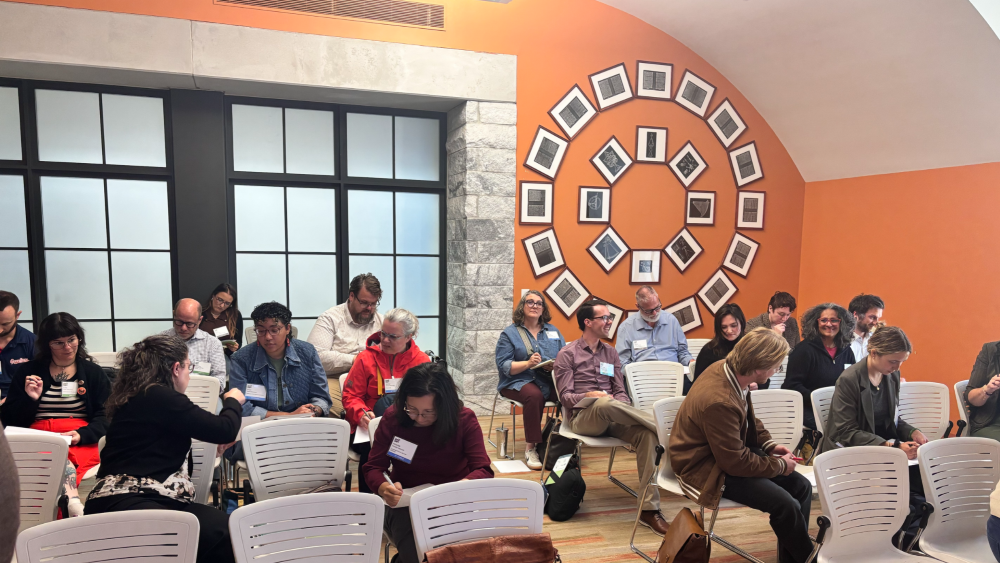
As 2025 progressed, I sat in meetings and watched old rivalries fall away in the face of the daunting challenges facing our communities resulting from federal funding cuts, harmful policy changes, and government shutdown. A loose and informal statewide network began being convened by Community Solutions and Advocates for Ohio’s future in late October and already has over 300 participants, representing an enormous range of organizations and policy issues. The Cuyahoga County Human Services Chamber celebrated its first birthday, having gone from no members to 120 nonprofit organizations strong. Whether driven by funding threats, shared challenges, or a recognition that complex problems require multifaceted solutions, the strong interest in working together across usual silos is promising. There is enough problem to go around, and these collective endeavors can pool expertise, prevent duplication, and enhance collaboration and amplify influence. Join us!
5. Policy impacts feel personal, and people know it
Perhaps most encouraging is the clear awareness of how policy decisions shape daily life and community conditions. From housing costs to transportation, childcare to health, people increasingly recognize that policy is not abstract; it’s personal. Decisions made in the halls of Congress or on Capitol Square can help people and communities thrive or hold them back. We are now able to skip the step of explaining why policy is important and get to work, finding sustainable solutions and influencing systemic change.
None of this guarantees easy wins in 2026.
Together, these five conditions suggest a moment where thoughtful, strategic advocacy can make a real difference. Our communities need us to keep working. We can’t give up. Cautious optimism is not complacency—it’s a call to prepare, engage, and act with intention.